Key takeaways
- Use Thivim or Karmali for North Goa and Madgaon for South Goa.
- Stay in one base for all three nights.
- Keep Old Goa and Panaji together on day 2.
- Water sports and Dudhsagar access change during the monsoon.
On this page
- How much does Goa in 3 days by train cost?
- Which train and station should you choose?
- Day 1: which beaches fit together?
- Day 2: how do you combine Old Goa and Panaji?
- Day 3: should you choose South Goa or Dudhsagar?
- Where should you stay?
- How do you keep the trip realistic?
- What should you pack?
- How should food fit the budget?
- What if the train arrives early?
- How can couples divide the trip?
- How can families adapt it?
- What should solo travellers know?
- What makes the itinerary fail?
- Sources we checked
How much does Goa in 3 days by train cost?
| Expense | Budget | Comfort |
|---|---|---|
| Return 3AC train tickets | ₹5,000 | ₹8,000 |
| Hotel, 3 nights | ₹6,000 | ₹12,000 |
| Local transport | ₹3,000 | ₹6,000 |
| Food | ₹3,000 | ₹4,800 |
| Activities and entries | ₹1,000 | ₹2,800 |
| Subtotal | ₹18,000 | ₹33,600 |
| 10% buffer | ₹1,800 | ₹3,360 |
| Total for two | ₹19,800 | ₹36,960 |
| Per person | ₹9,900 | ₹18,480 |
The rail allowance suits a typical 3AC return journey from Mumbai or Pune; a longer route may cost more. The comfort column gives more room for a well-located hotel, taxis and one paid activity. Replace the rail row with the actual fare if travelling from another city.
Which train and station should you choose?
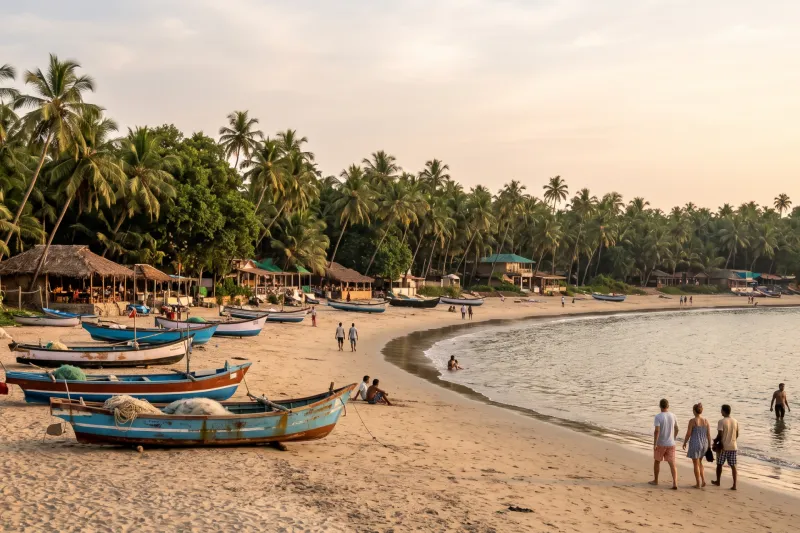
For North Goa beaches such as Calangute, Baga, Anjuna and Vagator, Thivim usually gives the shortest road transfer. Karmali works well for Panaji and Old Goa. Madgaon is the main choice for Colva, Benaulim, Cavelossim and Palolem.
From Mumbai, Konkan Kanya 20111 and other overnight services can preserve daytime sightseeing. Vande Bharat 22229 is quicker in the regular timetable but uses most of a day. Between 15 June and 20 October 2026, its monsoon arrival at Madgaon is 16:00 rather than 13:10.
Book a return train that leaves late enough to use day 3 but still allows a safe station transfer. Keep at least 60–90 minutes between the planned hotel departure and station reporting, with more in rain or weekend traffic.
Day 1: which beaches fit together?
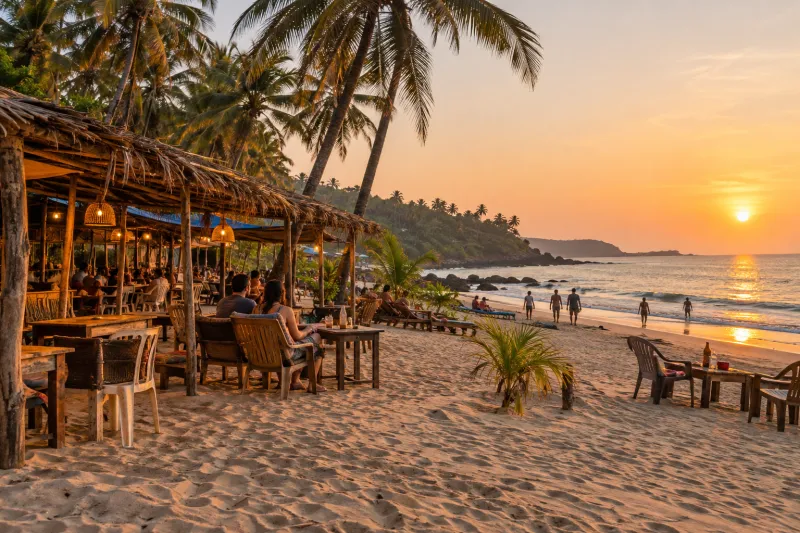
After arrival, check in and choose a compact coastal loop. From a North Goa base, combine Calangute or Baga with Anjuna and a sunset stop at Vagator. Avoid trying to add South Goa on the same day; road time will consume the short itinerary.
A rented scooter commonly costs ₹350–700 a day in October 2026, before fuel and deposit. Carry a valid licence, wear helmets and inspect the vehicle before accepting it. A taxi is easier for two people with luggage but costs more; allow ₹1,200–2,500 for a half-day local circuit depending on distance.
Water-sports packages are often advertised around ₹1,500–3,000 per person, but inclusions vary. Operators can suspend activities during rough seas and the monsoon, so pay only after confirming that the activity is operating and that safety equipment is included.
Day 2: how do you combine Old Goa and Panaji?
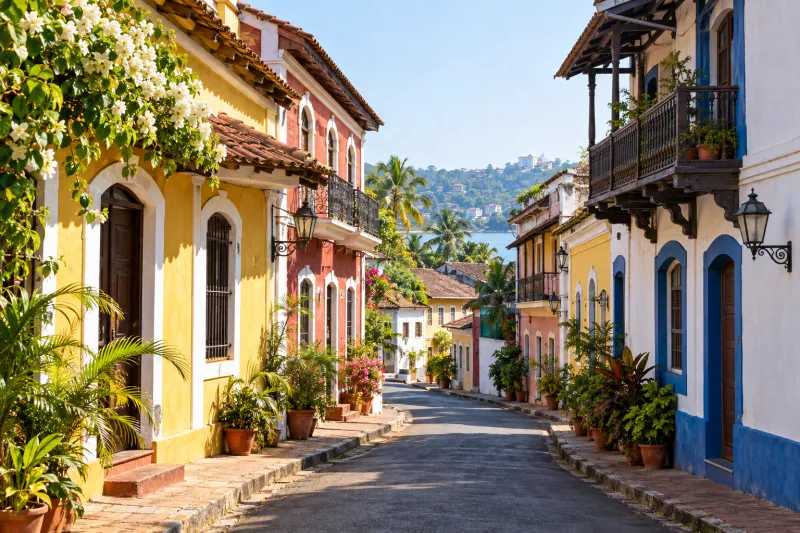
Start with the Basilica of Bom Jesus and Se Cathedral, then continue to Panaji for the Fontainhas area and the Mandovi waterfront. The Goa government lists the Basilica's weekday hours as 09:00–18:30 and Sunday hours as 10:30–18:30. Respect services and dress requirements.
This loop is manageable from either North Goa or Panaji. Budget travellers can use local buses for major legs and autos or taxis for the gaps. A private car for the day commonly costs ₹2,500–4,000 depending on pickup, hours and kilometres.
If churches and architecture are not your priority, use the morning for a quieter beach and visit Panaji later. The value of a three-day plan comes from limiting transfers, not ticking off every district.
Day 3: should you choose South Goa or Dudhsagar?
From a North Goa base, use the final day for nearby forts and beaches rather than a long South Goa return. From Madgaon or a South Goa base, combine Colva or Benaulim with a relaxed lunch, then return for luggage and the train.
Dudhsagar is a full-day excursion and does not combine well with a timed evening departure. Jeep access is seasonal and the circuit commonly closes during the monsoon; the government issues reopening orders after conditions permit. Check the official GTDC booking channel and forest status for the exact date.
Do not walk on railway tracks or enter restricted areas to view the falls. If Dudhsagar is the main priority, add a fourth day or replace the coastal programme rather than compressing both.
Where should you stay?
Budget rooms away from the beachfront often start around ₹1,500–2,500 a night, while comfortable rooms in convenient areas commonly cost ₹3,000–5,000. Holiday weekends from November to January can be substantially higher. The sample budget uses ₹2,000 and ₹4,000 per night respectively.
Choose the base by station and itinerary. Mapusa, Calangute and Anjuna suit a North Goa focus; Panaji works for central access; Colva, Benaulim and Margao suit a South Goa plan. A cheap room far from every planned stop can increase taxi spending.
How do you keep the trip realistic?
Carry light luggage, use one hotel and group places geographically. Confirm check-in or luggage storage if the train arrives early. Keep beach time flexible in rain and avoid scheduling a paid water activity immediately before the return train.
For alternatives, read how to reach Goa from Mumbai, best time to visit Goa and Kerala vs Goa.
What should you pack?
Use one small bag per person so station transfers remain easy. Carry a light layer for the train, sun protection, water and footwear that handles sand and rain. During the monsoon, add quick-drying clothes and a waterproof phone pouch.
Keep medicines, identification and return tickets accessible. If renting a scooter, carry the required original licence and do not leave valuables in the vehicle.
How should food fit the budget?
The lower sample allows ₹500 per day for two and the comfort plan ₹800. This works with simple breakfasts, local lunch plates and regular dinners when the hotel includes breakfast. Beachfront dining, alcohol and seafood priced by weight can exceed it.
Ask the price before ordering fish or crab and check taxes. Carry water while sightseeing, but avoid a heavy meal before a long road or rail transfer.
What if the train arrives early?
Many overnight trains arrive before hotel check-in. Ask about luggage storage or an early-check-in fee, then begin with breakfast nearby instead of carrying bags across beaches.
For a late return train, store luggage after checkout and keep the final activity near the hotel or station route. Leave a generous road margin on day 3.
How can couples divide the trip?
Use day 1 for the beach belt nearest the hotel, day 2 for Old Goa and Panaji, and day 3 for one relaxed stop before departure. This leaves room for meals, traffic and rest.
If nightlife matters, choose North Goa. If quiet beaches matter, choose South Goa and accept a longer Old Goa transfer. Do not change hotels merely to sample both areas.
How can families adapt it?
Replace the scooter with a car, reduce each day to two main stops and schedule an afternoon break. Request a child seat in advance. Older travellers may prefer Panaji or a connected South Goa base with fewer transfers.
What should solo travellers know?
Rail and bus travel can cost less than the shared examples, but a private taxi is not divided between two. Stay in a connected area, share live trip details and use registered transport.
What makes the itinerary fail?
Common problems are choosing the wrong station, booking far from every stop and treating check-in day as a full day. Remove one region before cutting meal breaks or station margins.
Keep screenshots of tickets and hotel contacts. If a train is delayed, notify the hotel and cancel timed activities you cannot reach. Protecting the return train matters more than one final beach.
Sources we checked
Checked on 6 October 2026. Official sources win if anything here differs.
Prices checked October 2026. We re-check every 90 days. Spotted something out of date? Write to taazeem@choose4choice.com.
Frequently asked questions
Are three days enough for Goa?
Yes for one region, a few beaches, Old Goa and Panaji. Covering both ends of the state plus Dudhsagar will feel rushed.
Which station is nearest to North Goa?
Thivim commonly works for the main North Goa beach belt; Karmali is useful for Panaji and Old Goa.
How much does the trip cost per person?
The sample budgets are ₹9,900 and ₹18,480 per person sharing, including a 10% buffer.
Should you rent a scooter?
It can reduce local costs if you are licensed and comfortable riding. Allow ₹350–700 a day plus fuel and deposit.
Can you visit Dudhsagar in three days?
Yes only by giving it most of one day. Confirm seasonal access and avoid pairing it with a tight return train.
Do water sports operate in the monsoon?
They may be suspended during rough conditions. Confirm operations on the day.